

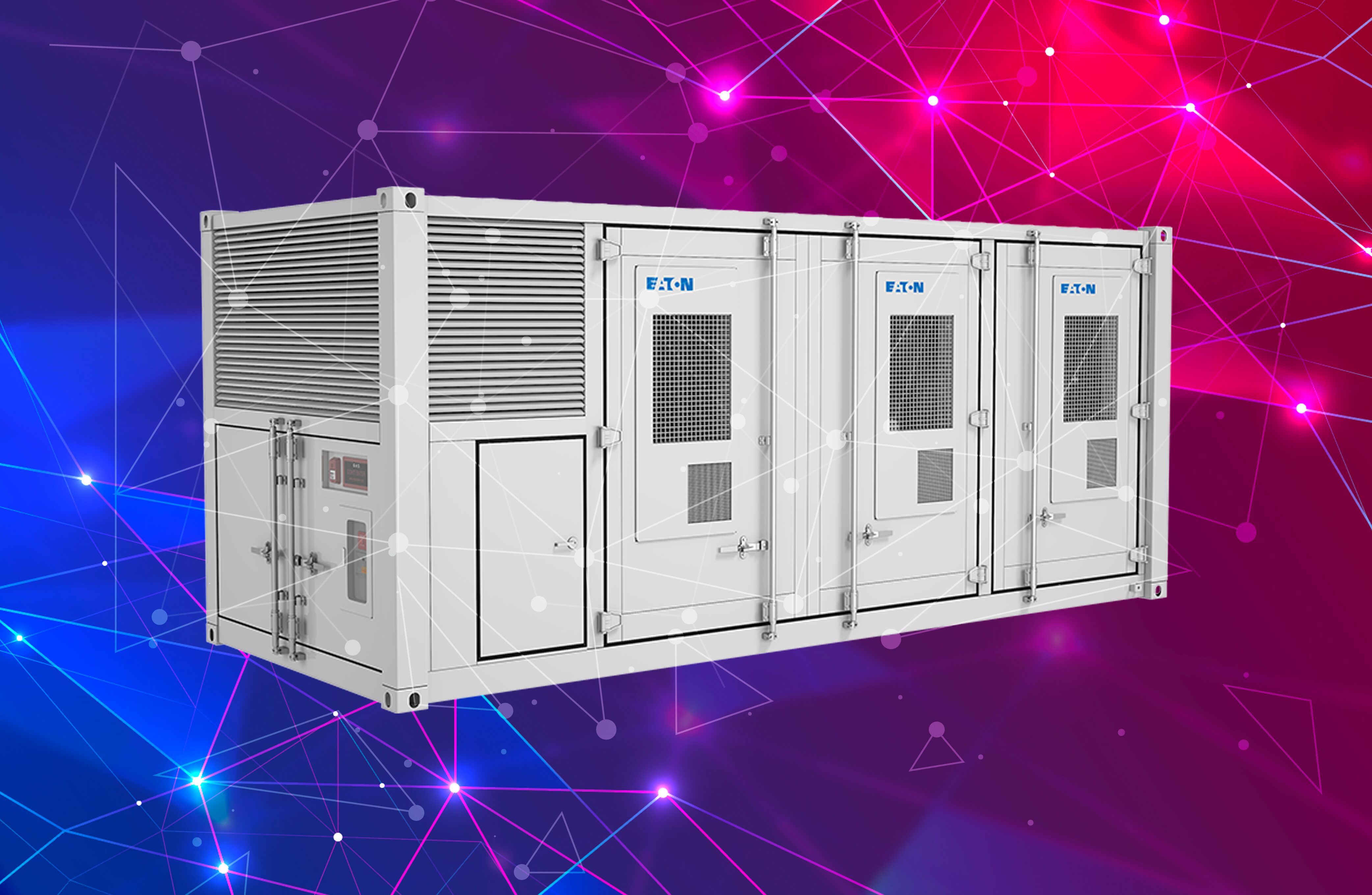
The energy grid is rapidly evolving, and at the heart of this transformation are Battery Energy Storage Systems (BESS). While these systems are known for storing power, their true value comes from their ability to dynamically interact with the grid in real-time. This dynamic interaction is orchestrated by sophisticated Master Plant Controllers (MPCs) and Energy Management Systems (EMS), and at Nor-Cal Controls, we are at the forefront of this technological shift.
While AI-driven solutions are on the horizon, leading integrators are already using advanced MPC and EMS architectures to boost grid resilience and optimize revenue for BESS projects. This approach is building a critical foundation for future advancements, and its effectiveness is deeply intertwined with the physical architecture of the BESS. To understand more about the different hardware configurations, read our detailed post on “BESS Architecture Evolution: AC/DC Block & EMS Integration”.
Fortifying the Grid with Advanced Control
Traditional power plant controllers were designed for conventional, stable power sources. However, the rise of Inverter Based Resources (IBR’s) requires more intelligent and responsive control. Our solutions are engineered to address these challenges, significantly contributing to grid resilience by providing:
- Precise Power Regulation and Smoothing: Our MPCs continuously monitor energy output, intelligently charging or discharging the BESS to smooth out fluctuations. The grid was not designed for the intermittent power from renewables like solar and wind. Without sophisticated smoothing, their fluctuations can cause voltage instability and frequency drops. The MPC acts as a digital shock absorber, instantly absorbing or injecting power to ensure a stable, consistent output to the grid, even during volatile weather and grid conditions.
- Dynamic Ancillary Service Provision: Modern grids need a rapid response to maintain frequency and voltage. Our control logic allows BESS to provide critical ancillary services like frequency regulation and reactive power support with millisecond precision. These are the grid’s essential stability services, and unlike traditional fossil fuel plants that take minutes to respond, a BESS can react in the blink of an eye. This ultra-fast response helps stabilize grid imbalances and reduces strain on traditional infrastructure.
- Rigorous Validation and Compliance: We ensure a BESS operates harmoniously within grid codes and utility interconnection requirements. Our commitment to rigorous testing, including using Real-Time Digital Simulators (RTDS) and PSCAD modeling to validate our MPCs and EMS can handle complex scenarios and respond predictably, ensuring seamless integration. Utilities and grid operators must have complete assurance that a new BESS will behave predictably and not destabilize the system, and our thorough validation process is how we provide that confidence.
Optimizing Revenue for Asset Owners
The financial success of a BESS depends on maximizing its economic potential across various market opportunities. Our EMS solutions are designed to facilitate sophisticated revenue stacking, allowing BESS to generate multiple income streams through:
- Intelligent Energy Arbitrage: Our EMS continuously analyzes energy market signals, enabling the BESS to automatically charge when electricity prices are low and discharge when prices are high. This intelligent strategy directly contributes to maximizing profitability. On a typical day, electricity prices might be low at noon when solar production is high, but jump significantly at 7 PM as people return home from work. Our EMS is programmed to automatically capitalize on this price spread, turning the difference directly into profit for the asset owner.
- Multi-Service Market Participation: Our EMS can dispatch BESS capacity to simultaneously participate in multiple ancillary service markets. The system intelligently allocates resources based on real-time market needs and profitability, ensuring the BESS is always generating optimal returns.
- Seamless Integration for ITC Compliance: For projects aiming to secure investment tax credits (ITCs), our EMS provides the necessary control and data logging to ensure charging is predominantly from renewable sources. The ITC can provide up to a 30% tax credit on the project’s total cost, but requires that the BESS be charged mostly from a renewable source for the first five years. This meticulous tracking is vital for maintaining compliance and unlocking significant financial incentives, which are often the key to a project’s financial viability.
The Broader Impact of BESS on the Grid
Beyond stabilizing renewable energy, BESS is a critical tool for modernizing our entire energy infrastructure. By acting as flexible energy assets, they can delay or even eliminate the need for costly new transmission line construction. A strategically placed BESS can also act as a virtual power plant, providing power to a local community during a peak demand event, reducing the need to fire up expensive and carbon-intensive peak plants. Our advanced control systems are what make this flexibility and strategic use possible.
Building the Foundation for the Future
Our solutions are built on widely adopted, non-proprietary hardware and software, such as Ignition SCADA and robust PLCs. This open architecture provides several advantages:
- Unmatched Flexibility and Customization: Asset owners gain complete control and the freedom to tailor their systems to unique project requirements, integrating with diverse original equipment manufacturer (OEM) equipment without being tied to a single vendor.
- Reduced Total Cost of Ownership: Open systems generally lead to lower upfront costs, more competitive support options, and more cost-effective future upgrades.
- Future-Proofing for AI Integration: This open architecture is the perfect foundation for future AI-driven enhancements. As AI applications mature, integrating advanced predictive analytics and machine learning will be seamless, ensuring our systems can evolve with new technologies.
What’s Next: The Rise of Predictive Analytics
Our control systems are not just reactive; they are built with the future in mind. By leveraging advanced data analytics, our systems are already capable of using historical and real-time data to predict future grid conditions, energy prices, and even weather patterns. This means our EMS can make more intelligent, forward-looking decisions about when to charge or discharge, further enhancing profitability and grid stability. This capability is a natural extension of our open architecture and lays the groundwork for seamless integration with advanced machine learning applications as they mature.
Real-World Application: A Case Study in Action
Consider a utility in California that needed to add a BESS to its grid to meet increasing energy demand and support its growing renewable portfolio. They chose a BESS with a Nor-Cal controller. Our MPC was able to precisely manage the system’s output to provide frequency regulation during high-demand periods, while the EMS simultaneously managed energy arbitrage to earn revenue. This dual-purpose operation not only helped the utility stabilize its grid but also provided a strong return on investment, showcasing how our solutions deliver real-world value on multiple fronts.
Ultimately, the sophistication of a BESS lies in its control system. At Nor-Cal, our advanced MPC and EMS architectures are delivering real-world grid resilience and revenue optimization today, while building the adaptable, open foundation that will power the intelligent, AI-augmented energy solutions of tomorrow.
Ready to maximize your BESS investment? Let’s talk about your project needs and how our solutions can help you achieve your goals.